
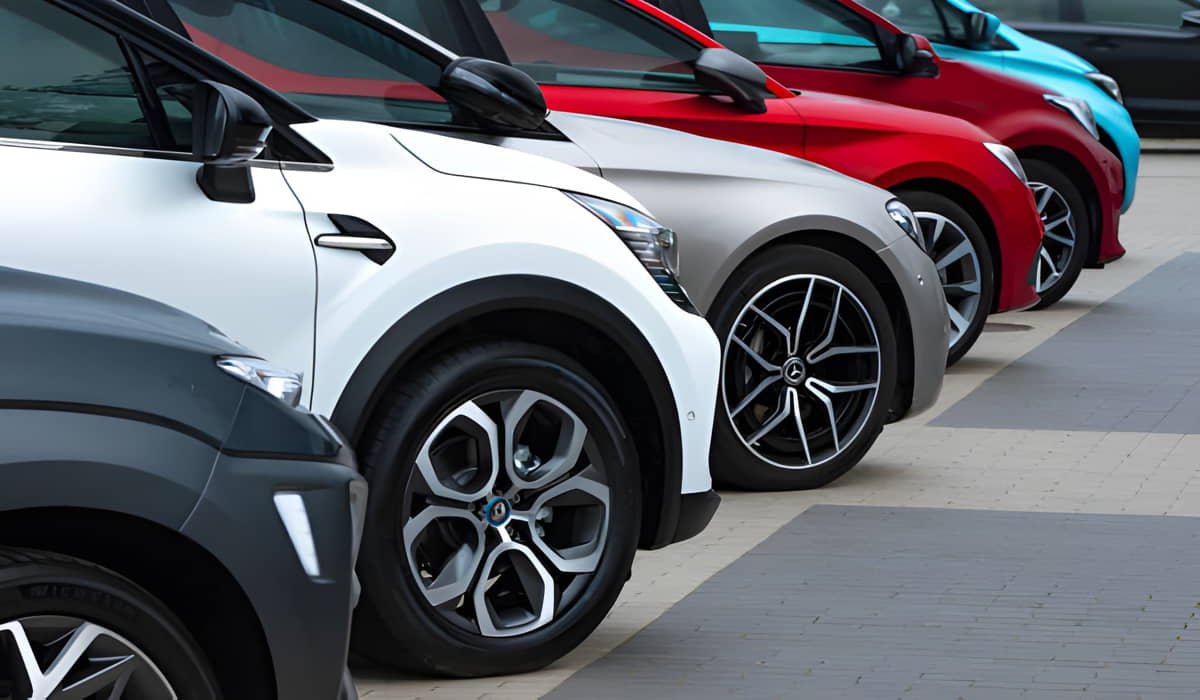
Car rental prices in Pakistan have jumped by 40-60% in recent years due to import restrictions, currency devaluation, high taxes, and increased maintenance costs. These factors, combined with rising fuel prices and limited vehicle supply, have made renting a car much more expensive than before.
The cost of renting a car in Pakistan has become a major concern for travelers and business people. What used to cost Rs. 3,000 per day now easily crosses Rs. 5,000 or more. Let’s look at why this is happening.
Import Restrictions Hit Hard
Pakistan stopped importing cars freely in 2022. The government put strict limits on bringing new vehicles into the country. This created a shortage of rental cars.
Rental companies can’t buy new cars easily. They’re stuck with their old fleet. When cars break down or get too old, there’s no cheap replacement. This shortage means companies charge more for the few cars they have.
The ban also affected car parts. Getting spare parts now takes longer and costs more. Companies pass these costs to customers.
Currency Problems Make Everything Costly
The Pakistani rupee lost a lot of value against the dollar. In 2020, one dollar equaled about Rs. 160. Now it’s over Rs. 280. That’s nearly double.
Most cars and parts come from abroad. When the rupee drops, everything gets expensive. A car that cost Rs. 3 million two years ago now costs Rs. 5 million or more.
Rental companies paid these higher prices. They need to recover that money through rental fees. Your daily rate goes up as a result.
Taxes Keep Climbing
The government increased taxes on vehicles multiple times. Federal excise duty, sales tax, and customs duties all went up. Registration fees also increased.
Insurance costs jumped too. Companies now pay 30-40% more for vehicle insurance than three years ago. They add this to your rental bill.
Token tax and other annual fees keep rising. Every year, operating a rental car gets more expensive. Customers feel this in their pockets.
Fuel Prices Create Pressure
Petrol and diesel prices in Pakistan reached record highs. Fuel costs went from Rs. 100 per liter to over Rs. 270 in just two years. That’s a huge jump.
Many rental packages include fuel or have mileage limits. Companies calculate these based on current fuel prices. Higher fuel costs mean higher rental rates.
Even when fuel isn’t included, companies factor it into their pricing. They know customers look at total trip costs. If fuel is expensive, people rent less. Companies charge more per rental to maintain profits.
Maintenance Costs Doubled
Keeping cars in good shape costs much more now. Engine oil that costs Rs. 2,000 now costs Rs. 4,000. Tires went from Rs. 8,000 to Rs. 15,000 each.
Labor charges at workshops increased too. Mechanics charge more because their own costs have gone up. A simple service that costs Rs. 5,000 now costs Rs. 8,000 or more.
Rental cars need frequent maintenance. They run more miles than private cars. All these costs add up quickly.
Limited Competition
Many small rental companies closed down. They couldn’t handle the rising costs. This left fewer options in the market.
When there’s less competition, prices go up. The remaining companies don’t need to compete as hard. They set rates that work for them, not necessarily for customers.
Big cities like Karachi, Lahore, and Islamabad still have choices. But smaller cities lost most rental services. Where options are limited, prices stay high.
But, according to our research, car rental in Islamabad is more expensive than in any other city in Pakistan.
Demand Stayed Strong
Despite high prices, people still need rental cars. Business travel didn’t stop. Tourism picked up after COVID restrictions ended. Weddings and events still need cars.
This steady demand lets companies keep prices high. When people are willing to pay, companies don’t lower rates. Supply is low, demand is normal, so prices stay up.
Insurance Requirements Changed
New regulations require better insurance coverage. Companies must have comprehensive insurance for all rental vehicles. This protects both the company and the customer.
Better coverage costs more money. Companies pay higher premiums every year. They include this cost in your rental fee.
The Bottom Line
Car rental in Pakistan got expensive because of many interconnected problems. Import bans, weak currency, high taxes, and costly maintenance all play a part. These aren’t temporary issues – they’re likely to continue.
For now, expect to pay more when renting a car. Compare prices from different companies. Book early for better rates. Consider sharing rides or using alternative transport when possible.
The situation might improve if import policies change or the rupee strengthens. Until then, high rental costs are the new normal in Pakistan.